terça-feira, 19 de maio de 2015

How do you say DAR AS CARTAS in English?

Dar as cartas can have two different meanings, so it has also two different translations:


Meaning (1)  "to take the decision, detein the power"
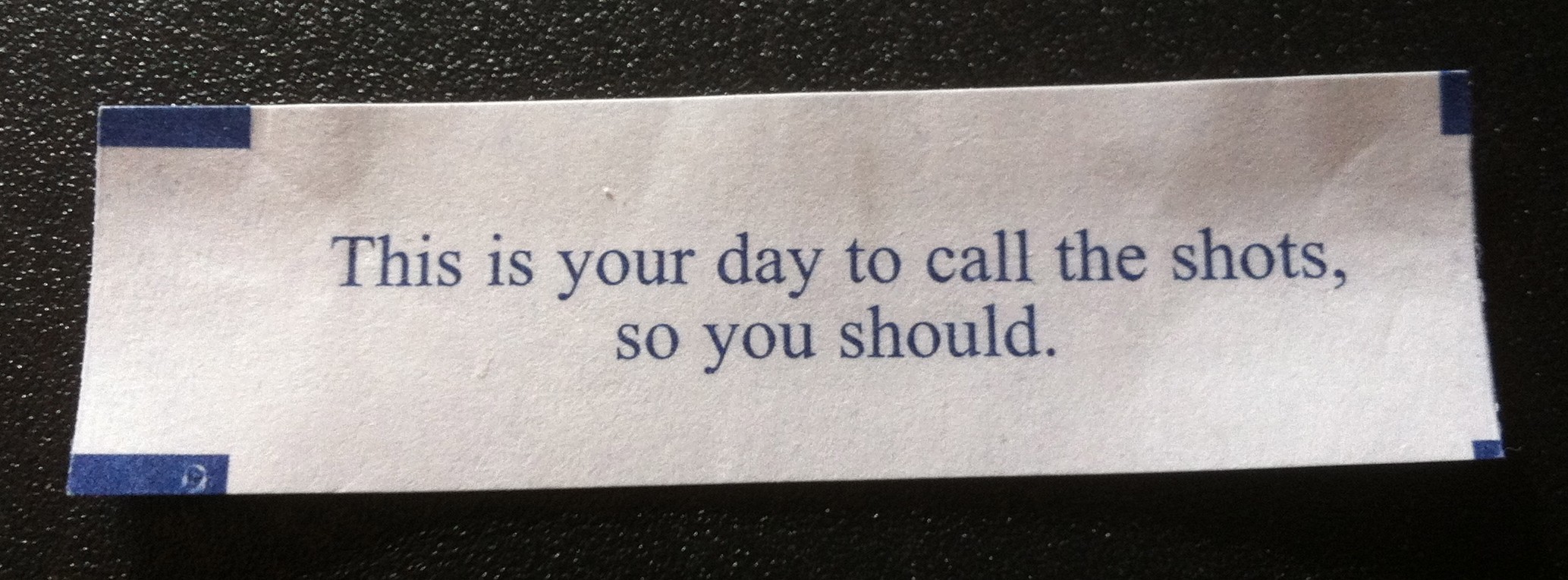
Dar as cartas: TO CALL THE SHOTS

>> If you want to talk bussines, you have to see Jerry. He is the one who calls the shots around here.
      Se você quer falar de negócios, precisa se encontrar com Jerry. É ele quem da as cartas por aqui.


Meaning (2) "in a card's game"
Dar as cartas: TO DEAL THE CARDS

>> You're cheating, and I won't let you deal the cards again!
       Você está roubando, e não vou deixá-lo dar as cartas de novo!


Other card's game vocabulary:
Suit: naipe
To shuffle the cards: embaralhar as cartas
To have a good hand: ter uma boa mão (boas cartas)
The Deck: o baralho


By Luiza Gomes


quinta-feira, 14 de maio de 2015

American Slang


Slang: informal language consisting of words and expressions that are not considered appropriate for formal occasions. It's the characteristic language of a particular group.

As every country, Americans have also their own way of speaking, some of the common slangs are:


What's up: How are you?

To ace (test, exam): To pass an exam

A dime a dozen: something so easy to find that it don't have much value

As if: used to suggest that something is not likely to happen

Awesome (adjective): great, fantastic

A piece of cake: when something is really easy

Break a leg: to wish good luck, especially between actors

To cost an arm and a leg: to cost really expensive


You can check INFOSQUARES for more commonly-used American Slang
or Watch this video:

By Luiza Gomes

terça-feira, 12 de maio de 2015

COMPARATIVE vs. SUPERLATIVE

COMPARATIVE
Is used to compare differences between two objects.
e.g.: Maria is smarter than Joana.

SUPERLATIVE
Is used to describe an object which is at the upper or lower limit of a quality. It's used in sentences where the subject is compared to a group of objects.
e.g.: Maria is the smartest of the class.


FORMING COMPARATIVE AND SUPERLATIVE

1 syllable adjectives: add -er (comparative)  or -est (superlative)
This bag is cheaper than the other.
This bag it the cheapest in the store.

1 syllable adjectives ending in consonant-vowel-consonant: double the last consonant and add -er (comparative)  or -est (superlative)
My house is bigger than Maria's.
My house is the biggest on the street.

2 syllable adjectives ending in -y: change the -y to -i and add -er (comparative) or -est (superlative)
Are you happier today?
My mom is the luckiest person I know.

Adjectives with 2 or more syllables: use more (comparative) or the most (superlative) with the unchanged adjective
My sister ir more careful with her writing than I am with mine.
She is the most careful person I know.

Yet, some adjectives are irregular and require other rules:

Examples:
My grades are better than yours, but Jo's is the best in our class.
Today might be the worst day in my life. At least it started worse than yesterday.
This store sells less than the others because it's the least known.

Let's practice? Click on Superlative or Comparative and download free exercises.

quinta-feira, 7 de maio de 2015

MAKE vs. DO

There aren't any restricted rules about the use of "make" or "do" but some tips may help!

 'MAKE' is used to create or construct something:
  • Last night, we made a cake.
  • He made me a cup of tea.
  • Did she really make the dinner?
'DO' is used for general activities, often used with 'something', 'nothing', 'anything' or 'everything':
  • She does her own clothes.
  • Yesterday, my mom did all the work by herself.
  • Did she do the dishes?
  • Are you planning to do anything cool today?
Some games can be usefull to the learning process:
Click on Teachers Invaders and have fun!

By Luiza Gomes


quarta-feira, 6 de maio de 2015

A Day Made of Glass

Corning, one of the world's leading innovators in materials science, created videos showing how glass will shape the world. The company gives us a preview of what future technology may be like.
Inovations goes from simple transition windows (no more need for curtains!!) to medical appointments and treatments made all with the use of holograms.
Architecture, medicine, electronics and also the way people relate to each other will all be changed by one material: glass!
And the most incredible news: part of that technology (which seems too futuristic) already exists!! Obviously, it now costs an arm and a leg and it's privilege for rich countries, but knowing that it exists already gives the feeling of beeing each day closer to the future we've been waiting for.
by Luiza Gomes


segunda-feira, 16 de março de 2015

Popcorn Time - FREE Filmes Online

Professor sempre descobre mil e uma ferramentas que o auxiliem nas aulas. Como eu sou uma pessoa que ama filmes, e trabalhar com filmes, minha aluna Elaine Manarin me indicou um site que eu fiquei MARAVILHADO: o Popcorn-Time. 

Logo do Popcorn-Time
Para quem conhece o Netflix, a proposta é basicamente a mesma. É uma locadora de filmes online, mas você não precisa baixar os filmes para ver, e nem precisa pagar, pois é FREE! Mas ainda melhor que Netflix, o Popcorn-Time tem os filmes mais recentes, que acabaram de sair do cinema, alguns que ainda estão lá. 

A qualidade dos filmes é espetacular e embora você não possa mudar o áudio (sempre original), você pode escolher a legenda que quiser. Sim, a língua que quiser pois o site oferece muito mais que simplesmente Inglês, Português e Espanhol. Ou seja, numa dessas você pode praticar o idioma que estuda livremente. Ah, e você pode baixar o filme por torrent, se quiser.

Basta clicar aqui e instalar no seu computador. Não precisa preencher cadastro nenhum, nem sequer colocar informações bancárias, etc.

Há quem diga que depois de algum tempo eles pedem para você se inscrever e pagar, mas eu uso há 1 mês e não me foi pedido nada. E mesmo que peçam, valerá a pena, eu garanto!

sexta-feira, 6 de fevereiro de 2015

I Study English. So What?!

Studying English is not only beautiful but essential. Do you agree?  Think about your history as student of English and consider the topics below. Write a 90-150-words entry that make me understand and get to know you better.
1) The importance of English in Brazil
2) The quality of schools where you were taught English
3) The importance of English for yourself
Good job!

sexta-feira, 2 de janeiro de 2015

Practicing Speaking

Learning English or any other language involves much more than simply going to classes and doing homework. Since language is complex and is in constant change, it's really important that the learner looks for further practice outside the classroom. This is what motivated me in researching and creating this post, once one of my students, after a deep conversation, decided she needed to reinforce her speaking practices. 

When learning a language, there are 4 basic skills that must be worked simultaneously in order to become a fluent student. Of course each student has one or the other more evolved; however, the weakest of the 4 skills (reading, speaking, listening, and writing) is what mostly needs deep practice.

For us, Brazilians, what is usually difficult to develop is the speaking ability. I attribute this to the fact we don't live a culture that motivates foreign language practice, and thus, we as learners are the ones responsible to create opportunities to practice. 

Practice speaking is not only speaking to other people. It is totally connected to reading. The more you read, the larger your vocabulary and then, consequently, the higher your confidence while speaking. A good reader is more likely to be a good speaker than others, specially when it comes to foreign languages. Well, there's always an exception.

Before practicing, it's good to understand a bit of what happens to introverted people as they decide to learn a foreign language. Click here and read this article. It explains why some people fear speaking in public and it gives some nice tips to overcome this negative feeling.

After asking may colleagues from Facebook groups that I participate (BRELT, Brazilian English Teachers, etc.) I collected some websites that help students create those aforementioned opportunities to practice oral English. I hope this post helps many English learners.

For all the suggested sites you may need a good microphone and earphone.

ENGLISHCENTRAL.COM is an amazing website in Portuguese but directed to English learners. There, you find videos according to daily situations. It's also an amazing resource for people who want to travel and, therefore, learn specific vocabulary. In a very nice way, you may have your pronunciation corrected. For further information or help, contact Cristina Cesar via e-mail at cristina.cesar@englishcentral.com.

TALKENGLISH.COM is a free website with very nice tips on how to practice and develop your oral skill. For Portuguese instructions, you may click here

BYKI.COM is also free. After registering, you can have access to native audio, followed with scripts that will help you associate pronunciation to reading, increasing vocabulary and self confidence to speak and think in English.

My special thanks to Danilo Pereira, Cristina Cesar, Russell Kurts, and Rogerio Almeida for the contribution. 

Now, it's time to practice! 

In case you know any other website, please, leave your comment. Thank you!

terça-feira, 16 de dezembro de 2014

Que Crianças Queremos Deixar para o Futuro?

Por quem fomos criados? Para que fomos criados? Estas são algumas das muitas perguntas que a vida adulta, atribulada, corrida, confusa, difícil não nos faz refletir e sequer achar uma resposta. É fato que muito mudou no mundo desde que éramos crianças. Também é fato que não se fazem pais (e por pais digo educação, principalmente) como antigamente. O mundo de coisas e informações fáceis no qual estamos inseridos hoje, adicionado aos nossos medos de criarem nossos filhos como fomos criados, tem transformado tudo num caos já sem dimensões, tampouco com perspectivas de melhoras. 
É muito comum ouvir pessoas dizerem "o mundo está mesmo perdido". Cada vez que esta frase é pronunciada por uma boca que carrega uma história cheia de experiências falidas, esquecidas, encubadas, engessadas e empobrecidas pelas barreiras impostas pela vida dura e de batalhas infindáveis, esvai-se um pouco de esperança, um pouco de respeito, um pouco de amor, um pouco de paz. Ou seja, perdemos muito. 
Quando recebemos o dom de gerar um ser, não temos a dimensão plena da responsabilidade que geramos também. Muitos adultos buscam aprender, mas infelizmente isso já não pode ser generalizado. Enquanto adultos atribuímos à TV, à internet, ao vizinho, e até aos nossos pais a sublime e complexa missão de sermos pais educadores. Eles têm feito a parte deles...mas cuidado! 
Achamos que digno é trabalhar enlouquecidamente para dar todo conforto que muitos de nós nem sequer sonhava em ter tido. Esquecemos aí que com muito menos do que nossos filhos têm hoje éramos muito mais educados, precavidos, responsáveis, críticos e formadores de opiniões sustentáveis. Esquecemos que éramos muito mais felizes. 
E após ler tudo isto, eu lhes pergunto: 
Que crianças queremos deixar para o futuro? 
Já pensou nisso? Tenho esperança de que esta pergunta jamais tenha passado pela sua cabeça, afinal, não é o futuro que interessa. 
Dalai Lama, grande exemplo de alma, um dia disse que os homens pensam tão ansiosamente no futuro que esquecem do presente de tal forma que nem vivem o presente nem o futuro. Pois bem pessoal, nossos filhos tem falado com tantas outras vozes que precisam de nós agora, no presente. O futuro é tão incerto que temos visto dia após dia ele não se concretizando. Cada vez que vemos o filho de 20 anos dos nossos vizinhos perdido nas drogas, à medida que vemos nos jornais o número crescente de adolescentes se prostituindo e saindo das escolas para trabalhar naquilo que nem nós nem eles sonharam para o tal Futuro, temos a obrigação de lembrar que o que importa de fato é o que fazemos agora, no presente. Ainda parafraseando Lama, temos  vivido como se nunca fossemos morrer, e morremos como se nunca tivéssemos  vivido. 
Para concluir, peço à cada um que tenha se sentido tocado por estas palavras que lembrem-se delas todos os dias do novo ano. Desejo que todos nós sejamos capaz de enfrentar este grande vilão chamado Futuro à quem temos glorificado com tanto fervor, e assim possamos enxergar o que realmente importa para nossas crianças. Não é nada mais nada menos que respeito, carinho, amor e ATENÇÃO! Eles estão clamando por isto e temos cegamente insistido em expeli-los. E é gastando R$ 0,00 que podemos plantar as sementes que irão de fato germinar e virar grandes, robustas, e frondosas árvores, daquelas que compartilham valores de geração em geração e deixam memórias eternas.


Texto inspirado em Silvia Raquel Gonçalves, minha amada irmã.

quinta-feira, 4 de dezembro de 2014

Working Listening In Class

Correcting learners has always been a debated issue among ESL/EFL teachers. There's no perfect way to correct students, but it is fact that interventions must be done in order to lead students headway.


There are several ways in which teachers can make such corrections. When it comes to listening, corrections are inevitable and needed. While teaching (mainly beginners), one of my sequence of techniques is to:


1. let students read the text first so that they can recognize what's coming next;
2. let students know that every time (and forever) they hear something (a voice, an audio of any sort) it's common to get nervous by not understanding a word. That's why it's extremely important to listen as many times as necessary till you feel comfortable. This applies perfectly when studying songs' lyrics;
3. play the listening but make clear students must not complete the task (fell the gaps, for instance). The first time is just to get familiar with the given audio;
4. [before repeating the audio to complete the task] check on meanings (in case students didn't get a word or sentence - in English, mostly) and sometimes, in this moment, I ask few basic and broaden comprehension questions  (Who the participants are, what they are taking about, etc.) . I believe this is interesting once it focus on general meaning, and not only on the proposed task;
5. repeat the audio through, without any interruption, so that the students (who are now more familiar with the whole proposal) can complete the task;
6. [depending on how long or difficult the audio is] repeat the audio breaking it into pieces. In this moment task correction will occur. At the same time, students are having a third opportunity to hear what they couldn't before, and then complete the task. At this point, anxiety is very low, what makes the listening and context comprehension way easier.
7. ask students to record themselves reading the audio on their mobiles or any recording devices (most of the times as a homework). I explain that this is a very significant way to work reading, listening, and speaking, besides exercising pronunciation (I encourage them to look for meanings and pronunciation on online dictionaries) and building up their vocabulary.

It takes some time until they get used to this. Furthermore, exercises that follow this sequence tends to last longer than simply playing the audio, completing the task, and correcting it on the board.

What about you? How do you work? What techniques do you apply? What do you think about the aforementioned suggestion?
Related Posts Plugin for WordPress, Blogger...
